
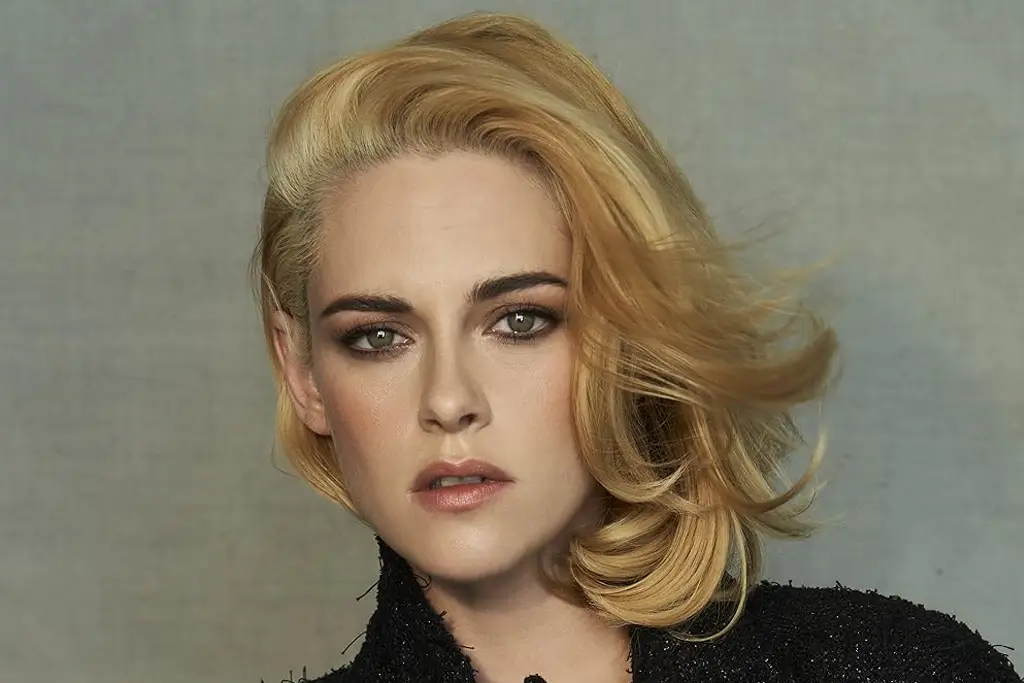
Actor Kristen Stewart has questioned her future as a director in the United States, citing political and industry barriers. The actor, widely known for leading The Twilight film series, said her debut feature, The Chronology of Water, could not have been made in the country. The film was shot in Latvia and premiered on the festival circuit in 2025.
The project adapts Lidia Yuknavitch’s memoir and stars Imogen Poots. Production took place outside the American studio system. Stewart linked that choice to conditions in the country. She said the film:
“would have been impossible to make in the States” and added that “reality is breaking completely under Trump.”
She pointed to proposed policies affecting foreign-made films, including a suggested one-hundred percent tariff on overseas productions. The measure has not been enacted. Stewart described the idea as damaging for independent cinema and cross-border filmmaking.
Redefining Authority Behind The Camera
Stewart outlined a plan to continue directing outside the U.S. while keeping a connection to American audiences:
“I can’t work freely in the U.S., but I don’t want to give up completely.” “I’d like to make movies in Europe and then shove them down the throat of the American people.”
“Actresses get treated like shit,” she said. “People think anyone could be an actress.”
The comments focus on how authority operates within film production and how status changes with role. Stewart’s directing debut now sits at the centre of a wider conversation about where and how she will work.
She contrasted that with her years as an actor:
“Actresses get treated like shit. People think anyone could be an actress.”
The remarks identify differences in authority within film production and how professional standing varies by role.










Leave a comment