
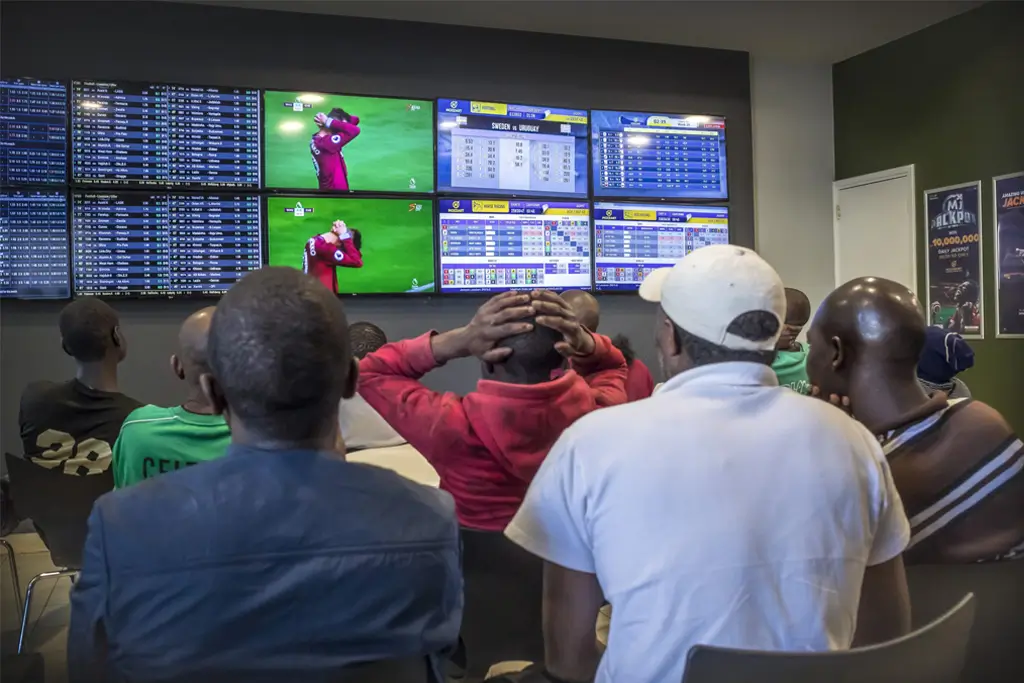
Gambling is on the rise across Nigeria, fuelled by online platforms and sports betting. Betting shops and mobile apps now operate widely, making it easier for Nigerians to place bets anytime and anywhere.
Supporters often describe gambling as a quick income alternative amid rising unemployment. Critics, however, warn of addiction, debt, and the negative impact on families and society.
Opinions remain divided on gambling’s impact on Nigerians, following a HipTV vox pop. The street survey explored whether gambling helps or harms people financially.
What Gambling Means To Nigerians
One respondent described life itself as a gamble.
“Life is a risk, depending on your risk tolerance,” he said.
Another participant rejected gambling entirely, insisting it causes more damage than benefit.
“I am not a fan of gambling. It has done more harm than good,” he stated.
Another person took a more neutral position, stressing personal choice and financial capacity.
“The truth is individual choice. I cannot bet because I don’t have money. Some people make money from betting. I don’t condemn them,” one person said.
A different view compared gambling to entrepreneurship and everyday decision-making.
“Everything is gambling, even opening a business. You can lose or gain. Gamble wisely and only what you can handle,” a respondent explained.
Social Concerns and Risks
Concerns about social consequences featured strongly. One respondent recalled a tragic incident linked to football betting.
“A guy passed away because of a Nigerian match,” the respondent claimed.
He called for betting companies to be shut down, citing moral concerns.
“But it’s not possible because the government collects taxes,” the respondent added.
He also alleged that some parents gamble school fees meant for their children.
Another respondent described gambling as an addiction harming many Nigerians.
“If you are addicted, it will hurt you,” he believes.
He supports recreational betting but warned about excesses.
“With unemployment so high, gambling helps some people survive,” the respondent noted, concluding with a caution:
“Play safe and gamble responsibly.”
Conclusion
Gambling remains a double-edged issue in Nigeria. While it offers short-term relief for some, its risks, addiction, debt, and family strain continue to outweigh the gains for many. Citizens alike agree that responsibility, regulation, and financial awareness are crucial as the practice grows nationwide.













Leave a comment