
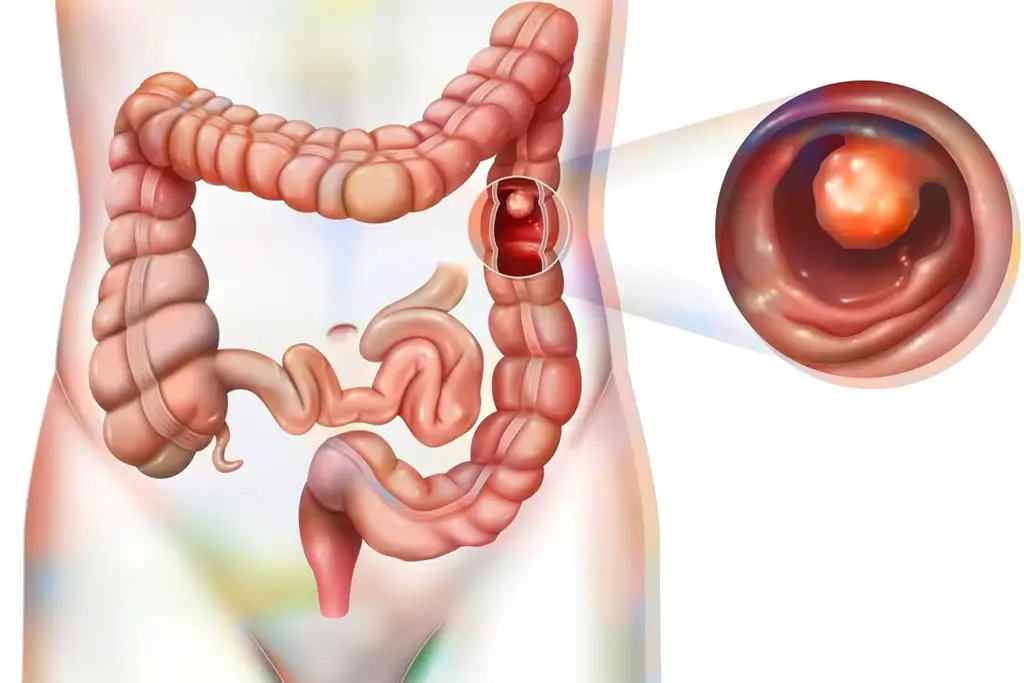
Colorectal Cancer is the second deadliest type of cancer worldwide. It is estimated that 1.9 million people are diagnosed yearly, while 903,000 people die from the disease annually. Among adults under 50, it is the leading cause of cancer-related deaths.
Importance of Awareness Month
March is observed annually as Colorectal Cancer Awareness Month in many countries, aimed at raising awareness about this highly treatable yet often fatal disease.
Vox Pop in Lagos
Your darling station, HipTV, took to the streets of Lagos on a fact-finding mission to gauge residents’ awareness of colorectal cancer.
The results revealed gaps in knowledge and attitudes toward health-seeking behaviour.
Reasons for Delayed Hospital Visits
During the vox pop, several respondents highlighted why many people delay seeking medical care:
- Financial concerns and inability to afford hospital bills
- Lack of seriousness toward symptoms
- Reliance on herbs and over-the-counter drugs
One respondent noted that many people do not believe it is cancer until it reaches an advanced stage.
Women Highlight Health Awareness Gaps
Female participants pointed to limited personal health management and lack of information.
They emphasised that many people do not prioritise routine medical checkups or seek professional advice early.
Calls for Stronger Awareness Campaigns
Respondents stressed the importance of preventive measures and broader awareness initiatives.
A participant called for government-led education through schools, communities, and media platforms.
“Any form of cancer should be like a package; they should run awareness from schools, campuses, villages, and marketplaces.”
Understanding Risk Factors
Colorectal cancer typically develops in the colon or rectum and is the third most common cancer globally.
Key risk factors include:
- Poor diet
- Sedentary lifestyle
- Obesity
- Smoking
- Heavy alcohol consumption
- Family history
Growing Need for Public Education
The HipTV vox pop highlights that while some Nigerians understand the seriousness of colorectal cancer, many remain unaware of its risk factors, symptoms, and preventive measures, underscoring the urgent need for sustained public health education.













Leave a comment